What Is a Paqo? The Healers of the Andes
What does it mean to be a Paqo? About the healers of the Andes, their paths, their training — and how their knowledge lives on today.
Munayleben Blog
Articles · Rituals · Wisdom · Inspiration
Energy medicine works on the level that precedes the physical body. The foundations of the Andean healing traditions and their relevance to everyday life.
Read moreWhat does it mean to be a Paqo? About the healers of the Andes, their paths, their training — and how their knowledge lives on today.
Toxic energetic bonds create heaviness — physically and emotionally. How Andean energy medicine identifies and transforms them.
Many blockages have their roots in the lineage we come from. Andean energy medicine offers a path to genuine self-liberation.
Online shamanic training — can it really work? Yes, when the teaching is passed on with genuine presence and practice stands at the center.
Sapichakuy is the Andean code of rootedness — the deep connection with Pachamama. It offers a sense of home, safety, and inner peace.
Saminchakuy is the Andean art of filling yourself daily with refined energy. A practice as simple as breathing — and yet fundamental.
The past lives on in the energy field. How rituals of forgiveness and the closing of timelines make inner freedom possible.
Pacha Punku are cosmic gateways between dimensions — alive and conscious. How these portals work and why preparation begins long before the journey.
Money is energy — a mirror of your inner world. How Andean energy medicine dissolves old patterns and opens a new relationship to finances.
Munay is the unconditional love of the Andes. It does not come from people — it comes from Pachamama, from nature, from the cosmos. How to connect with it.
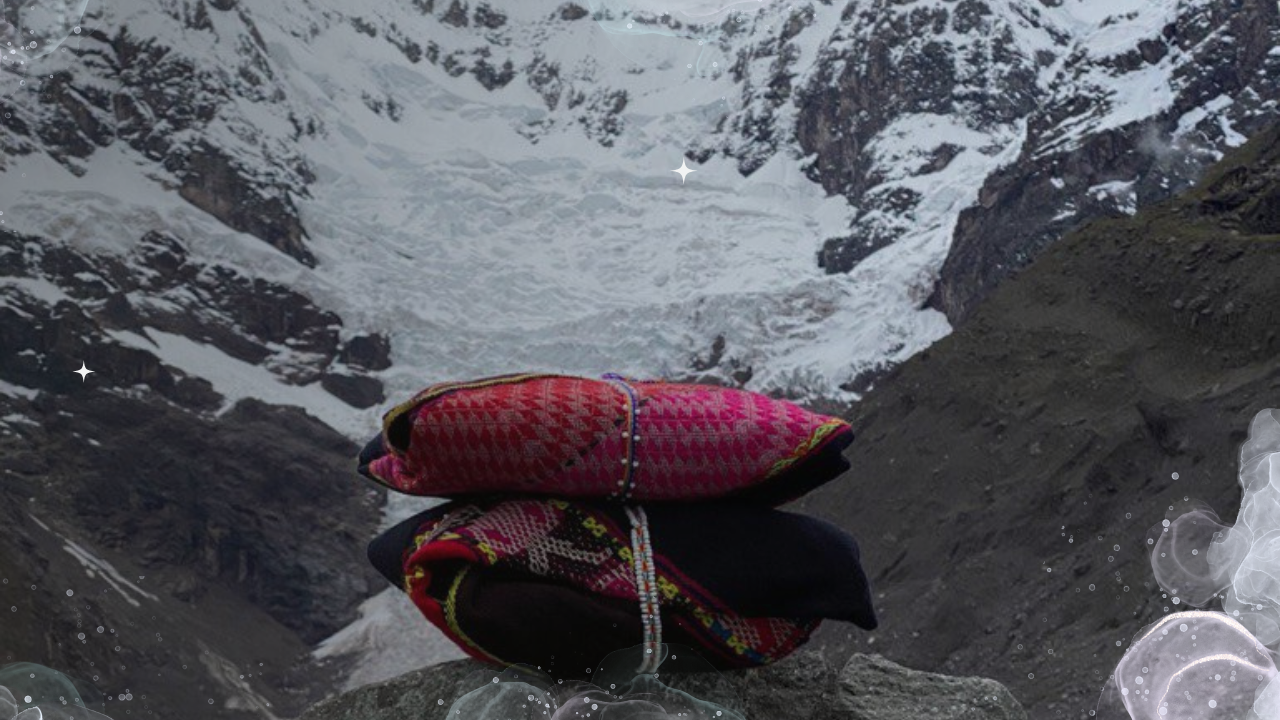
The Mesa is not an object — it is a living space between dimensions. Kuya Kipu, a net of loving connection, grows with the practitioner.
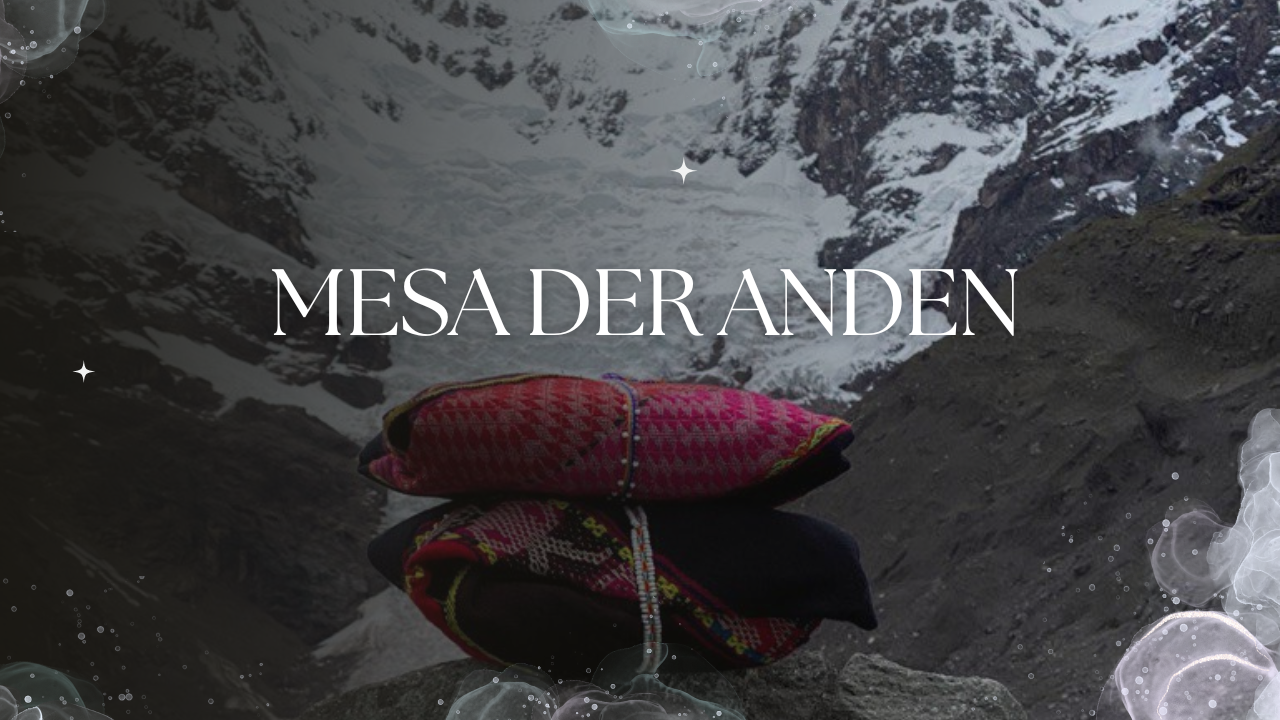
The Andean Mesa is a portable altar — its true name is Kuya Kipu. A living system of sacred stones, mountains, and stars.
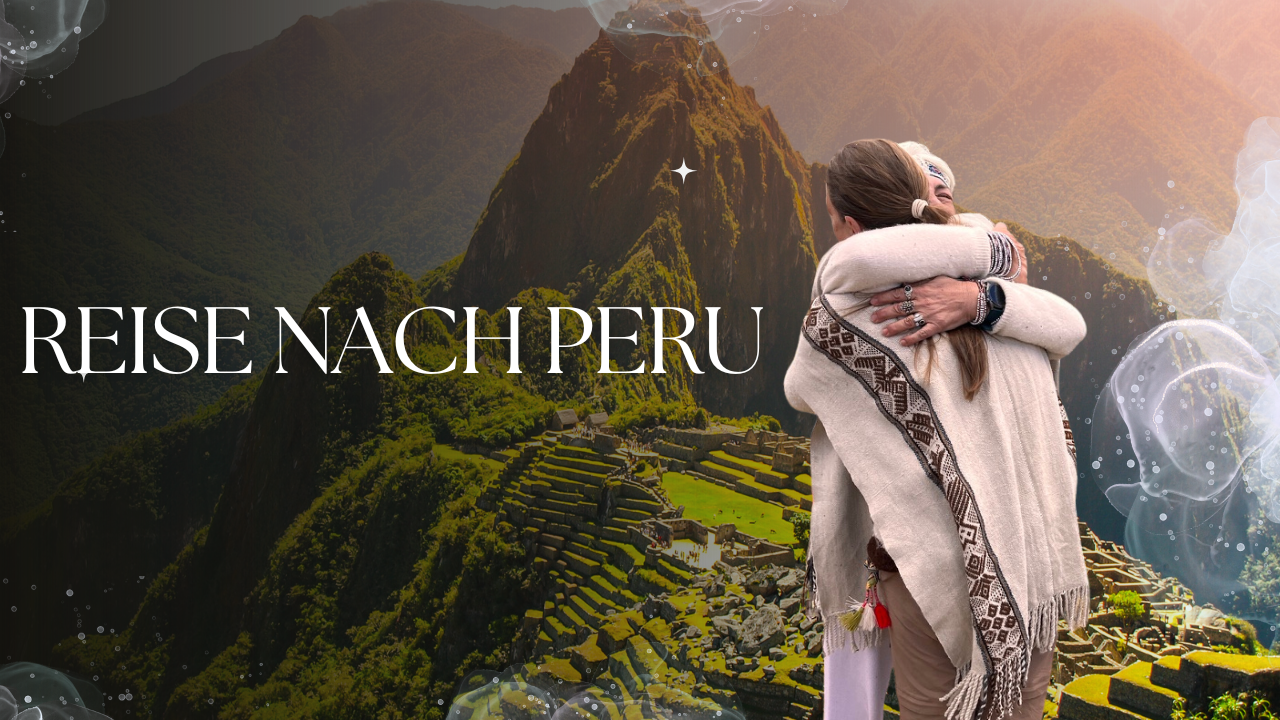
My first journey deep into Peru changed me. On encounters with the Apus, the feminine power of the Moon Altar, and the healing of the relationship with one's mother.
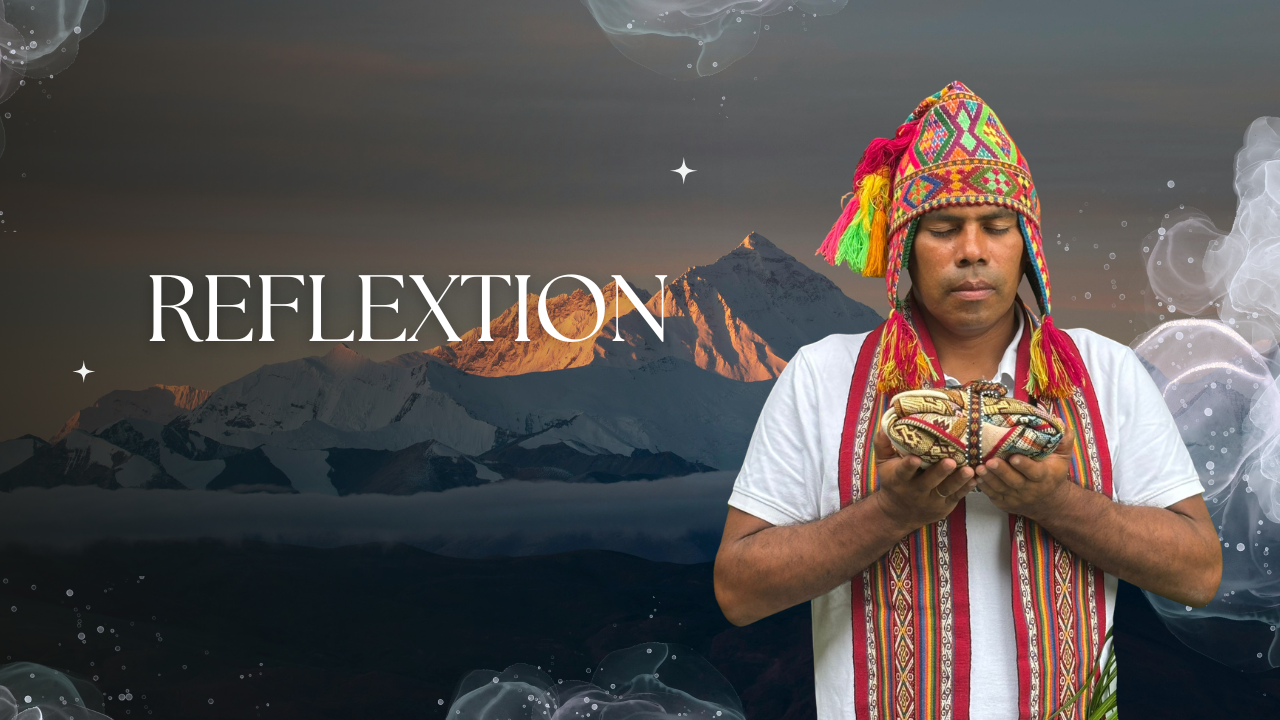
Reflection is a medicine of its own. It helps to distinguish what to let go and what to cultivate — honestly, without self-deception.
We carry more than our genes — we carry the energy of those who came before us. Andean energy medicine shows how these inherited connections can be healed, not severed.
Kawsay is the life energy of the Andes — the vibration that fills us when we are truly alive. Three simple ways to nurture it every day.
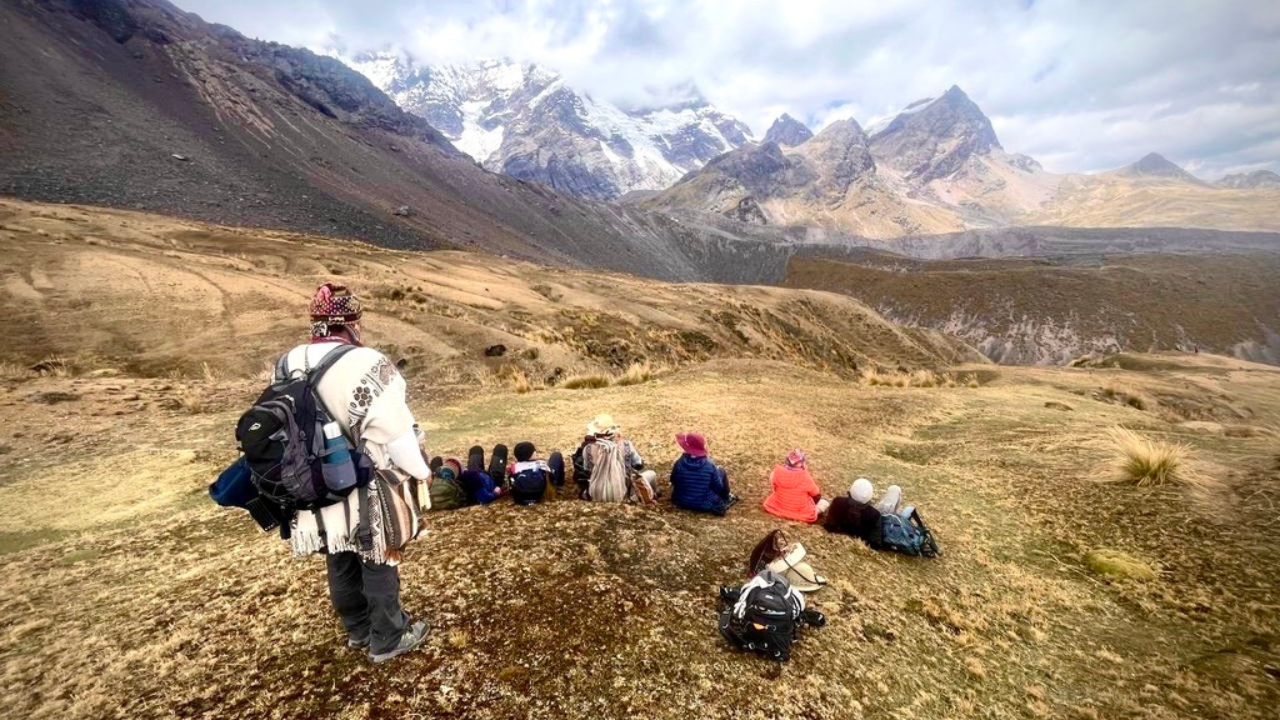
Inner restlessness is often a quiet sign of lost grounding. How Sapichakuy from Andean energy medicine leads the body back into its own depth.
Hucha Mikhuy is the Andean art of digesting heavy energy. A central practice of Andean energy medicine for inner cleansing and transformation.
The Andes are not a tourist destination. They are living power places that touch consciousness — and sometimes change it.
Fire is one of the oldest healing forces known to humanity. In the Andes, the fire ceremony stands for purification, transformation, and sacred exchange.
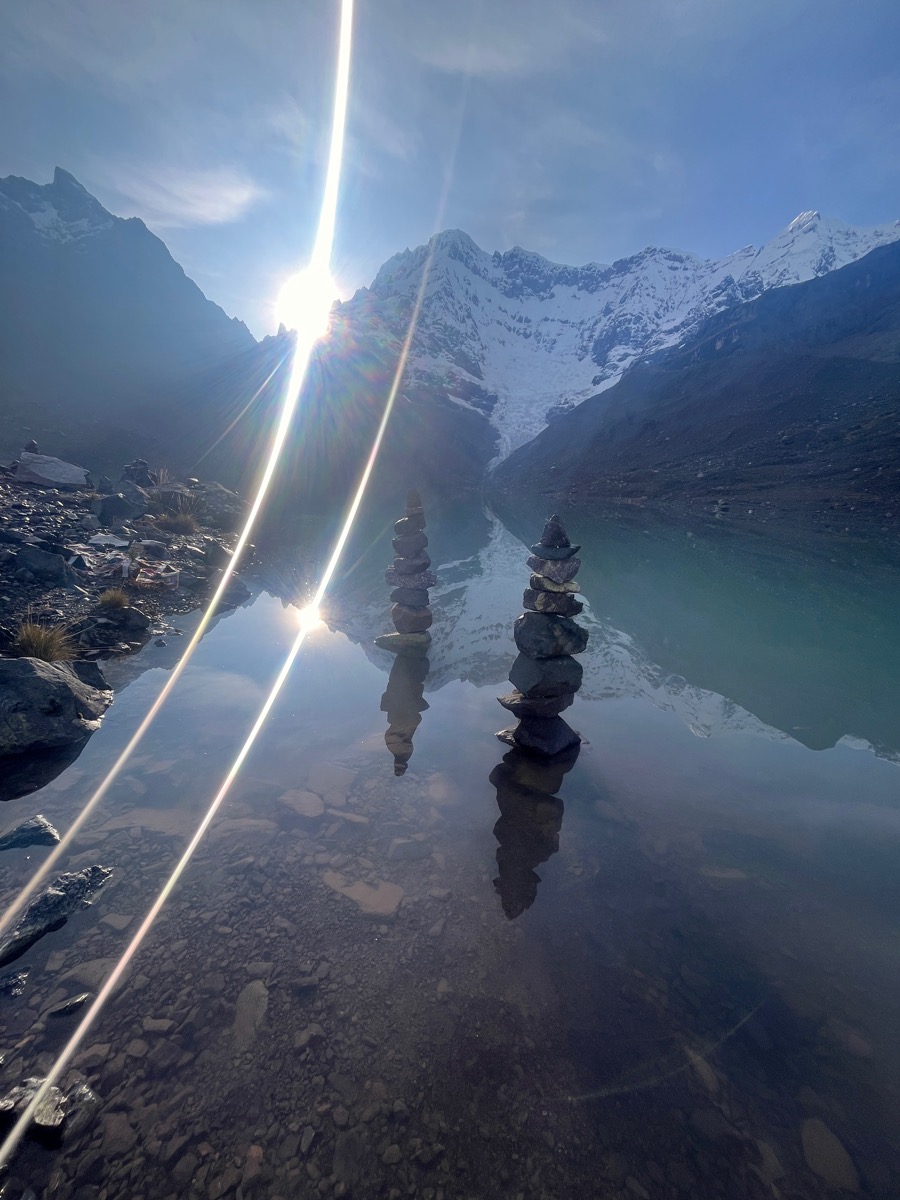
You don't become an energy healer through workshops. You become one through your own healing journey — and a path that leads you into practice, step by step.
A Despacho is not a sacrifice made from fear. It is a gift given in love — the sacred gratitude ritual of the Andes, expressing Ayni in its purest form.
An altar in Andean energy medicine is not a decorative object. It is a living portal — and tending it daily changes your life.
This training is not a shamanism course. It is a journey inward — carried by the ancient wisdom of the Andes, with roots, tools, and a sense of mission.
The Andean codes are not a concept you read about. They are cosmic vibrations that become tangible through lived experience — Munay, Kawsay, and the quiet power of ancient wisdom.
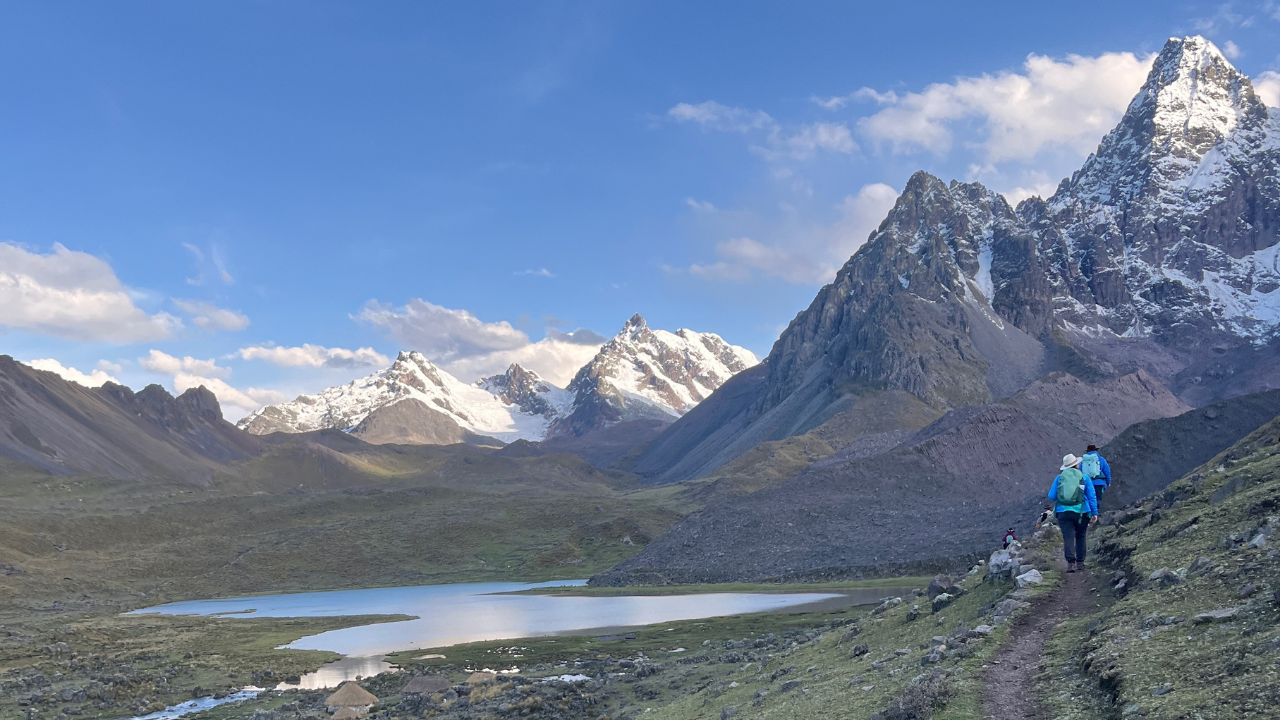
Some feelings do not come from your own life — they come from the lineage. How Andean rituals make ancestral patterns visible and gently transform them.
Some patterns repeat across generations without us knowing why. Ancestral work in Andean energy medicine opens a path to consciously cleanse the family field.

Ayni comes from Quechua and means reciprocity. It is more than a principle of balance — it is one of the most fundamental cosmic laws of the Andean tradition.

Burnout is the word we use when nothing else fits. The tests come back normal, the exhaustion stays. On the energetic level, this is not imagination — it is a matter of energy.

Despacho is a Spanish word meaning to send off. The original name of this ceremony is K'intuy Haiwarikuy — and it means something entirely different. What that is, and why it matters.

There are phases in life when nothing holds anymore. What once helped no longer gets through. This is called the dark night of the soul — and it is not a step backward.
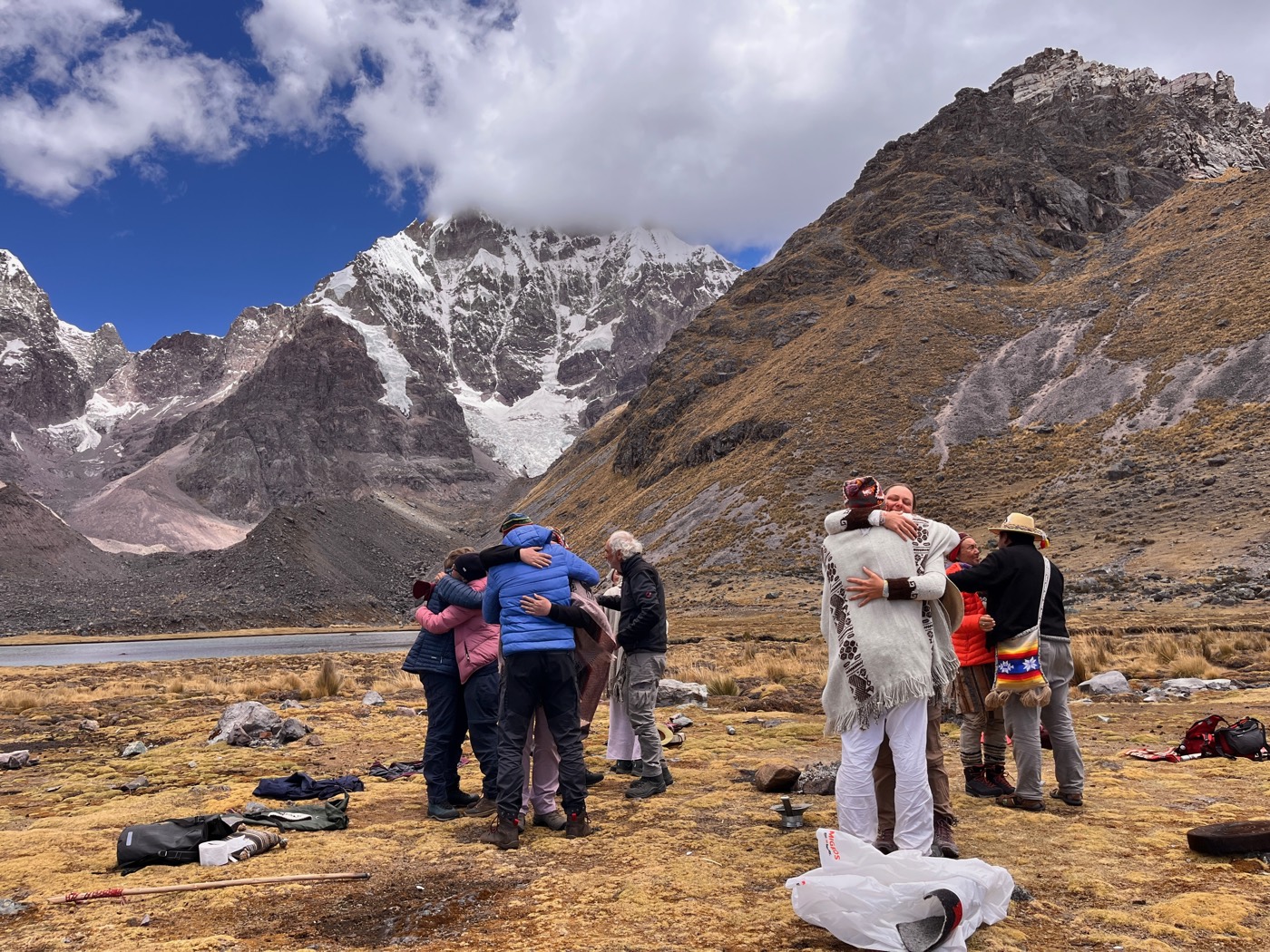
For many, energetic cleansing sounds like something special. In Andean medicine it is different — cleansing is everyday practice. It is hygiene.

The energetic contracts with your parents are the themes you came into this life to resolve. That is why you chose them as your parents.
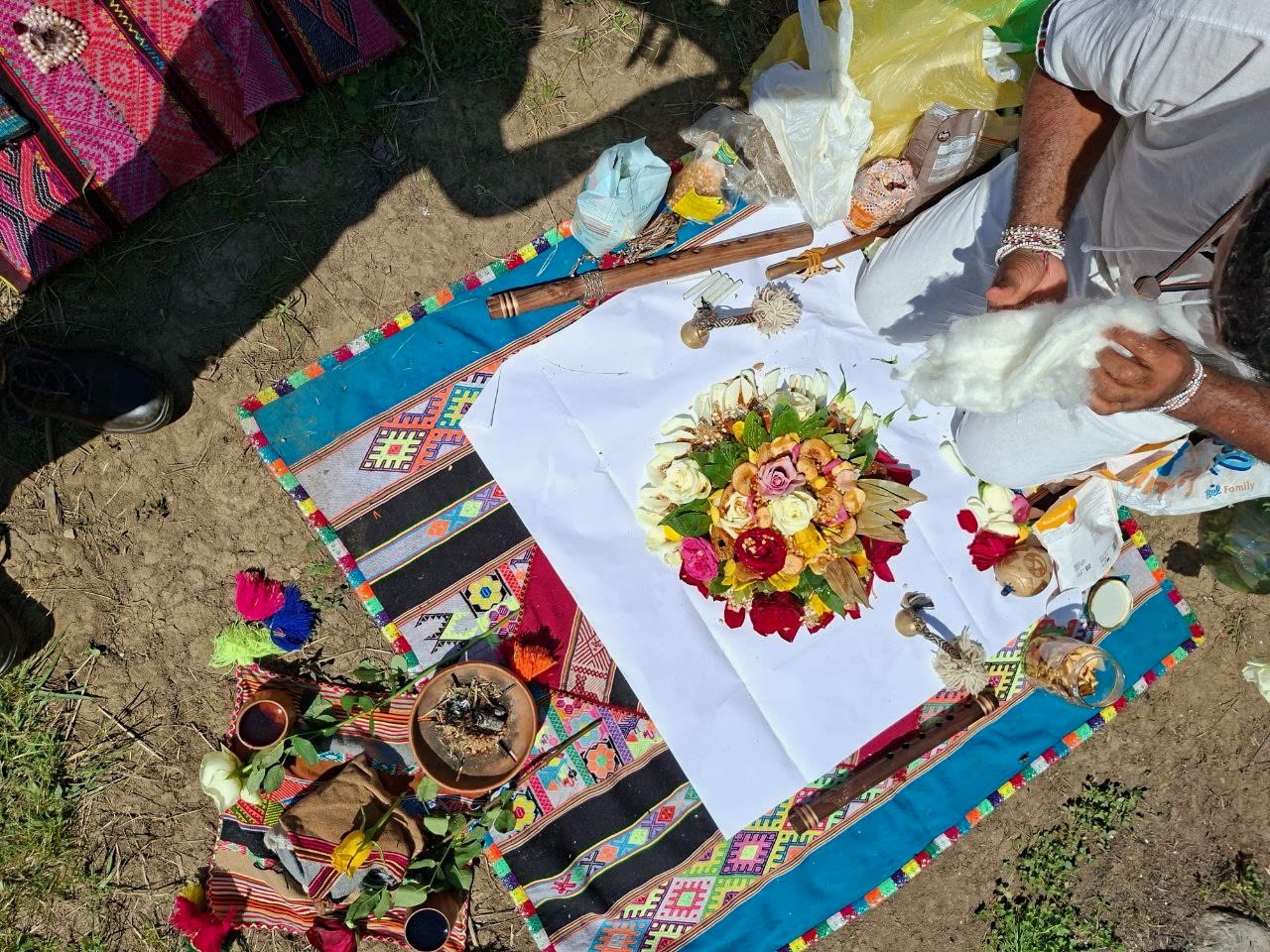
The relationship with the father sits in the body, in behavior, in patterns that repeat. In Andean energy medicine, this relationship carries a dimension beyond the psychological — a contract.

Energy work is a term used often and explained little. What happens in a session? What changes? And why does something sometimes shift that words alone could not reach?

Most who come to the training have already tried much. What they were missing was not more knowledge — it was their own experience.
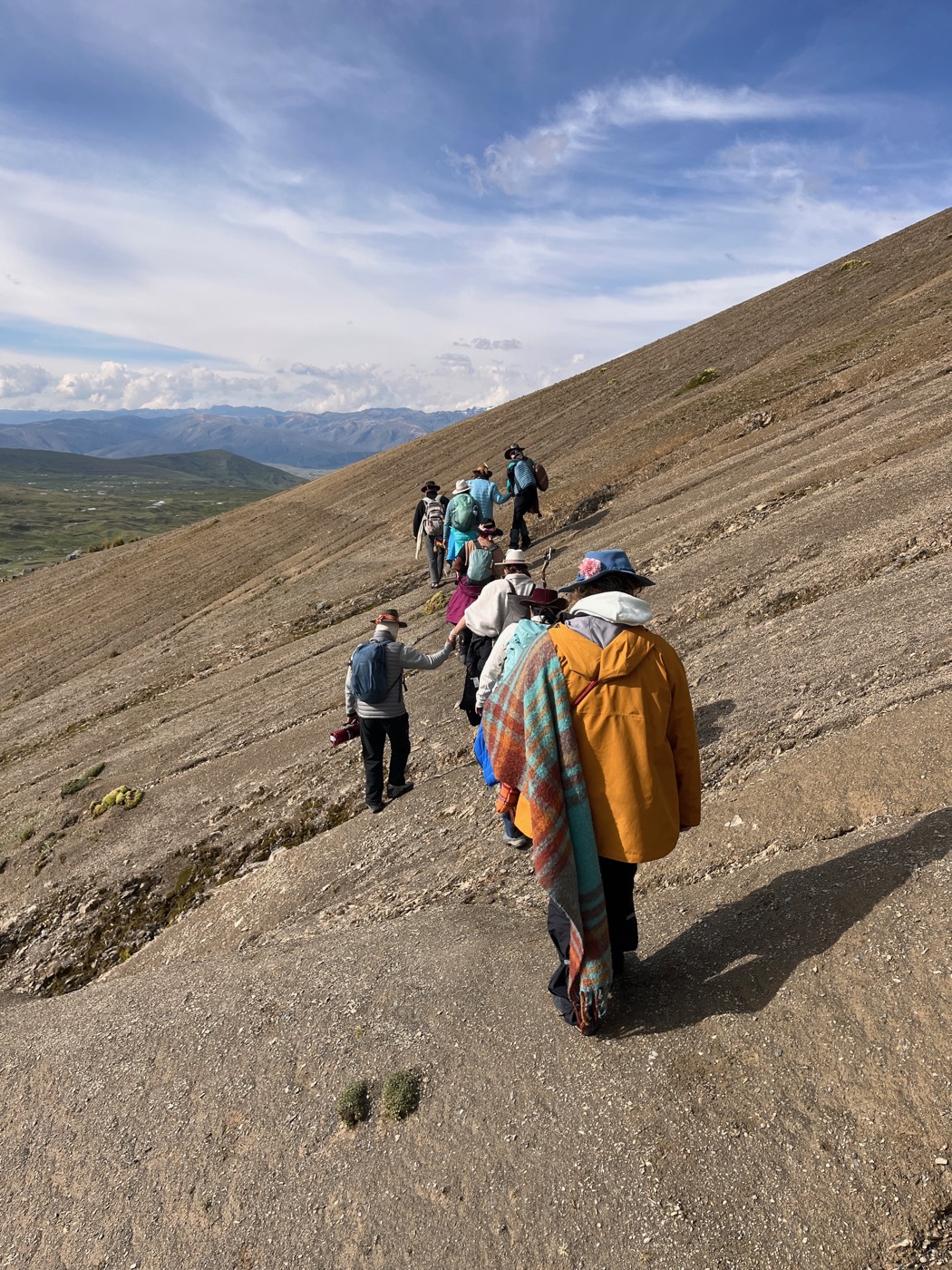
Many who come to me already have experience with therapy. The question that often arises: what does Andean energy medicine do that therapy does not? And the other way around?
There are conversations after which you need hours to recover, even though nothing heavy was said. Many know this phenomenon and most misread it.

Family constellations have helped many people. But some experience something intense and afterward nothing truly changes. The difference lies in releasing the energy that keeps the dynamic alive.
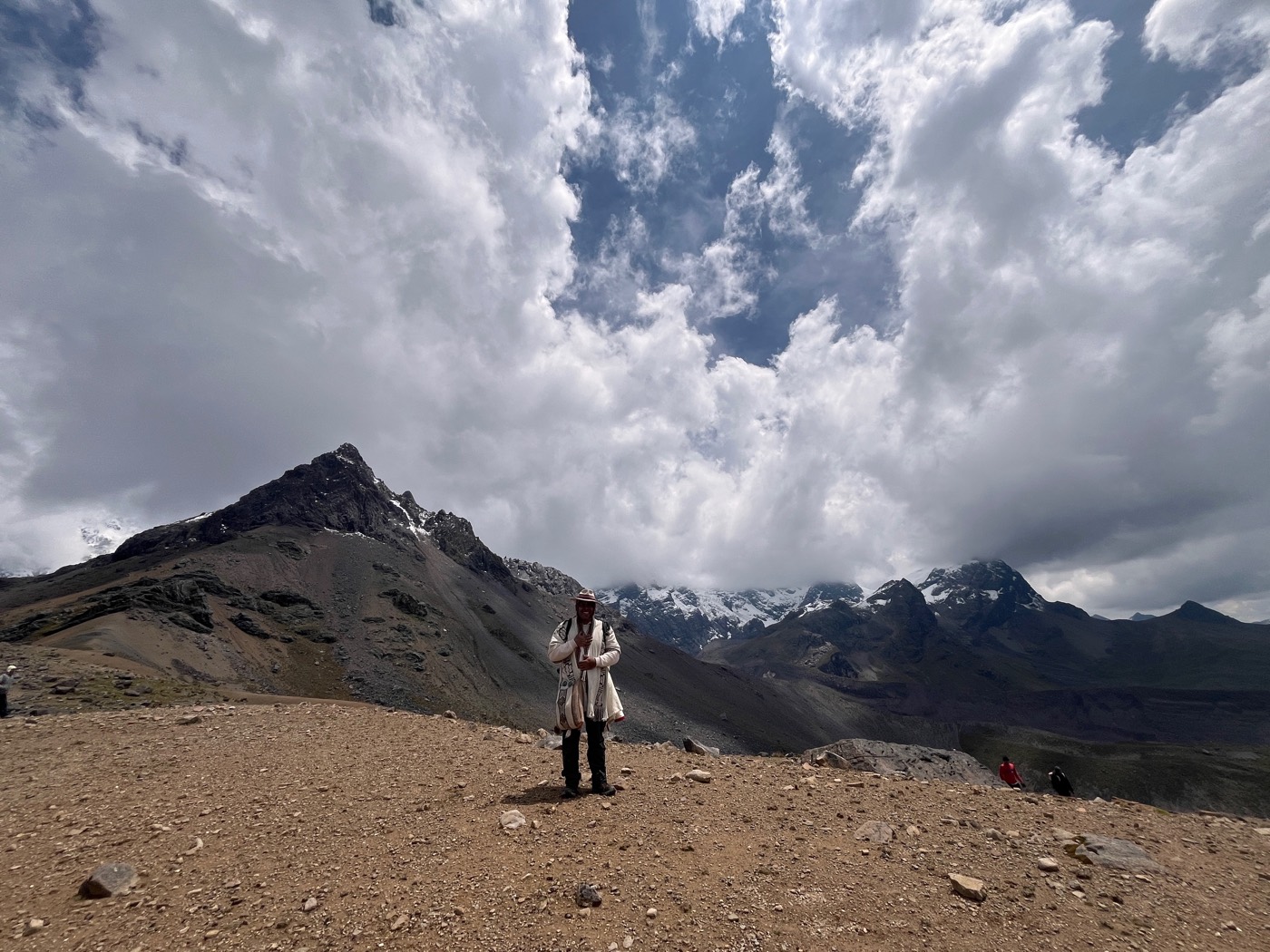
After some encounters you are exhausted — not because of what was said, but because of what you took with you. Releasing foreign energy is a skill, and it begins with understanding what foreign energy actually is.

Epigenetics research confirms what Andean healers have known for centuries: the experiences of ancestors leave traces. Children carry what parents could not process.

Healing happens alone, in the silence of the night. But healing also happens in groups — in a way that is not possible in individual work.

Highly sensitive people perceive more. What is less known: they process these perceptions more deeply and respond to energies in relationships in a way invisible to others.
Inner child healing is a term from psychology. What psychology describes has an energetic equivalent in Andean medicine — and that perspective opens a different access to healing.

What was not processed in childhood shapes the present — not as a memory, but as a program. And a program does not sit in the mind. It sits in the energy field.

The mountains of Peru are not simply beautiful. In the Andean tradition certain places are alive — with consciousness, a frequency, a task. And they wait.
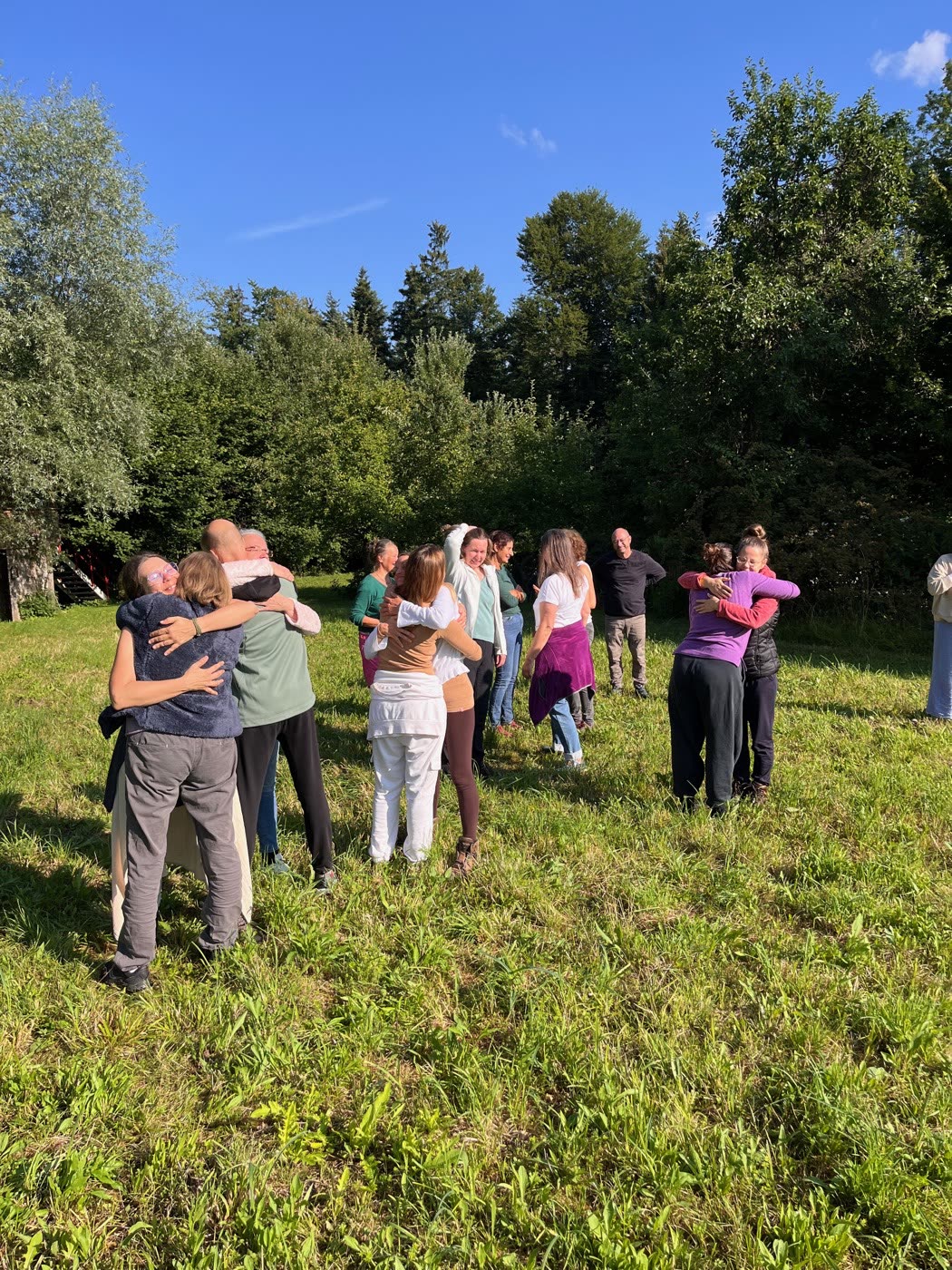
You feel sadness, fear, or heaviness, and you do not know where it comes from. That can be a sign that these emotions do not belong to you.

Pachamama has become well known, but most translate it wrongly. It does not simply mean Mother Earth. What Pacha truly means, and why that makes a difference.
There is a difference between a pause from everyday life and a journey that changes what you carry into everyday life afterward. The Peru retreat I accompany is the second kind.
In the Andean tradition, the earth itself has energy centers — portals, chakras, living points through which the consciousness of the earth is especially dense and accessible.

Smudging is more than spreading a bit of smoke. It is the basis of all ceremonies — and one of the most misunderstood practices in Western spirituality.

The word shaman does not quite fit. In the Andes we are called Paqo — an initiated healer who works with the energy field of the earth and of people.
Shadow work is a term from depth psychology. In Andean energy medicine there is no identical concept — but a deeply related practice, and it goes deeper in one place.
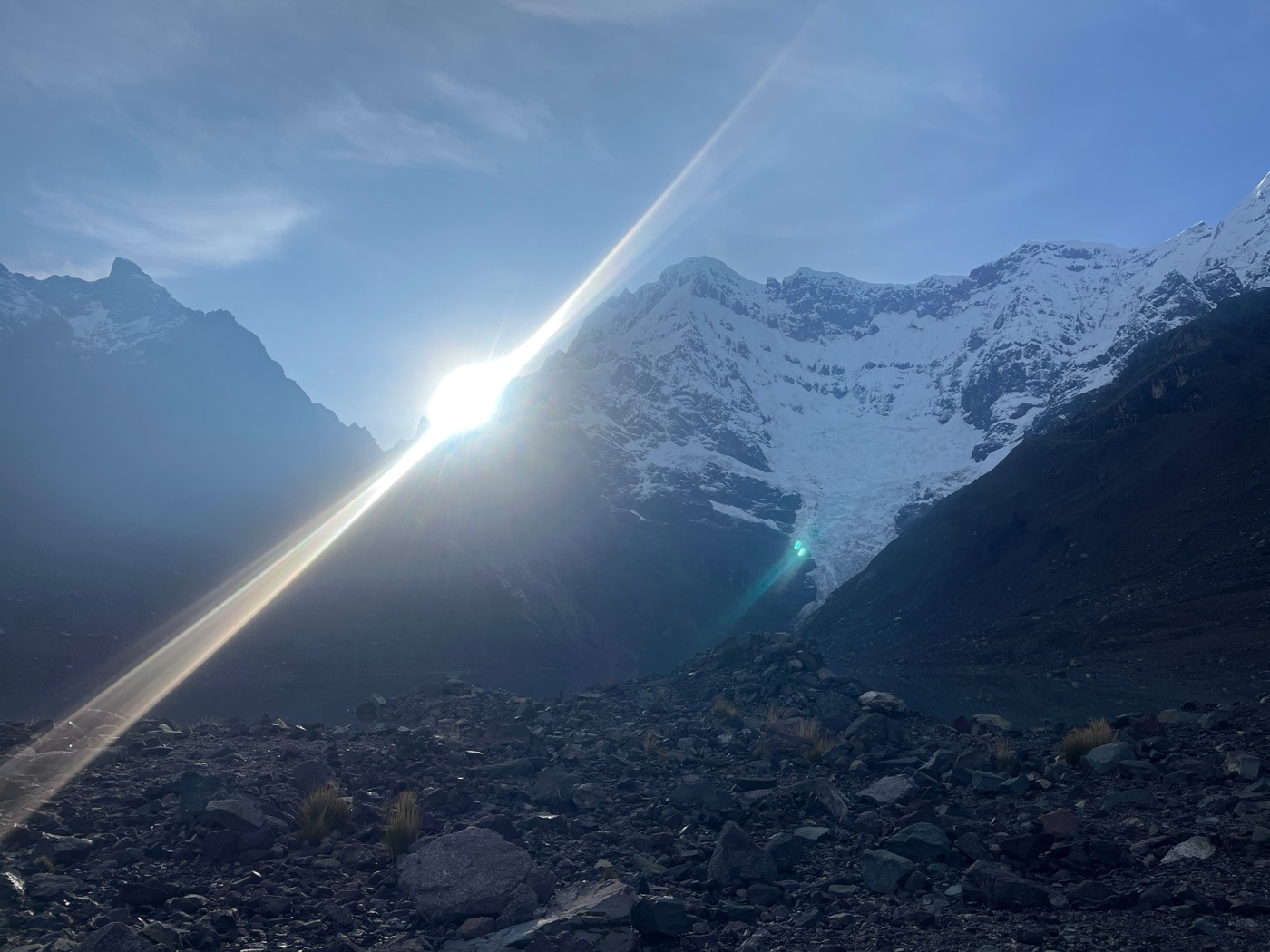
Strengthening self-love is one of the most-used pieces of advice and one of the least understood. It sounds simple. It is not — because most answers respond to the wrong question.
You read books, you do therapy, you know cognitively that you are good enough. But the feeling does not follow. There is a reason for that.

Peru has something that cannot be explained. Most who have made this journey say the same: they did not know exactly why they went, but they know exactly what they left there.

Spiritual awakening does not look the way books describe it. Usually it does not come as enlightenment. It comes as a breakdown, as exhaustion, as the feeling that what once worked no longer does.

Sumaq Kawsay is not about pleasantness. It is about synchronization — inward and outward, across all the bodies a human being carries.

When you know a relationship is not good for you and still cannot get free, that is not weakness. It is a bond that goes deeper than habit, than reason, than will.

Self-worth is not an opinion. It is a program. And this program was shaped in large part by a single relationship — the relationship with your father.
Highly sensitive is a term from psychology for people who process stimuli more intensely. In Andean medicine it has an energetic dimension that explains much the concept alone does not capture.
Energetic healing is a term that carries many meanings. In Andean medicine it has a very concrete meaning — and a foundation thousands of years old.
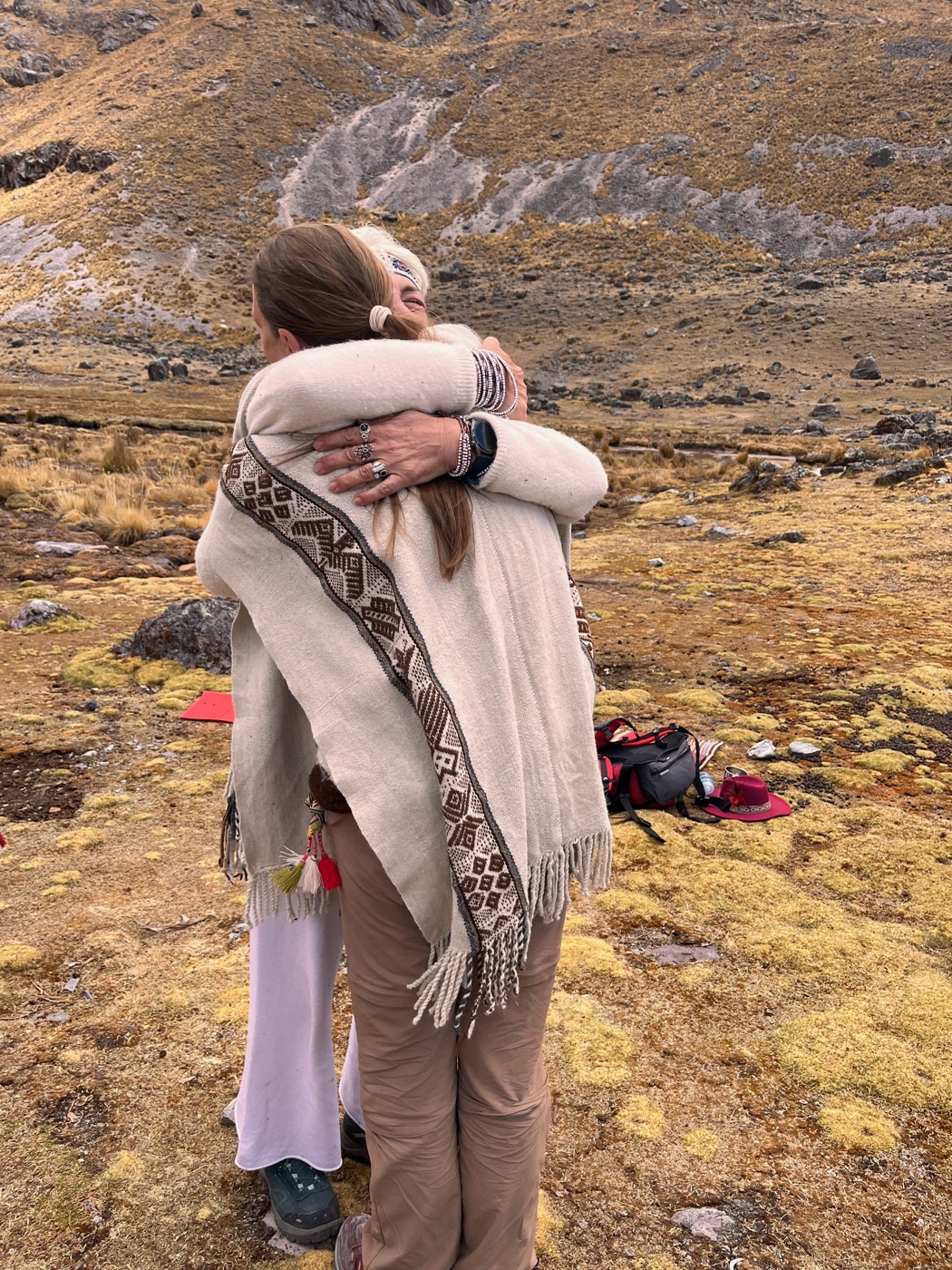
Foreign energy is rarely obvious. From the inside it feels like your own — which is why many people carry it without knowing. Here are five concrete patterns that point to it.